Dental disease affects most dogs by middle age, and it’s also one of the most preventable health issues on this whole site. This guide covers what actually keeps a dog’s mouth healthy.
For the full picture on dog health care, see: Dog Health Care: The Complete Guide.
Why Dental Health Matters More Than It Looks
Dental disease starts small, a bit of tartar, mildly inflamed gums, but left unaddressed it progresses to tooth loss, chronic pain, and infection that can spread beyond the mouth. Because dogs rarely show obvious signs of dental pain until it’s advanced, most cases are caught later than they should be.
What Healthy Teeth and Gums Look Like
Healthy gums are a consistent pink, teeth are mostly white without heavy tartar buildup, and breath, while never floral, shouldn’t be sharply unpleasant. Knowing this baseline for your own dog makes it easier to spot when something’s changed.
Brushing: The Single Most Effective Habit
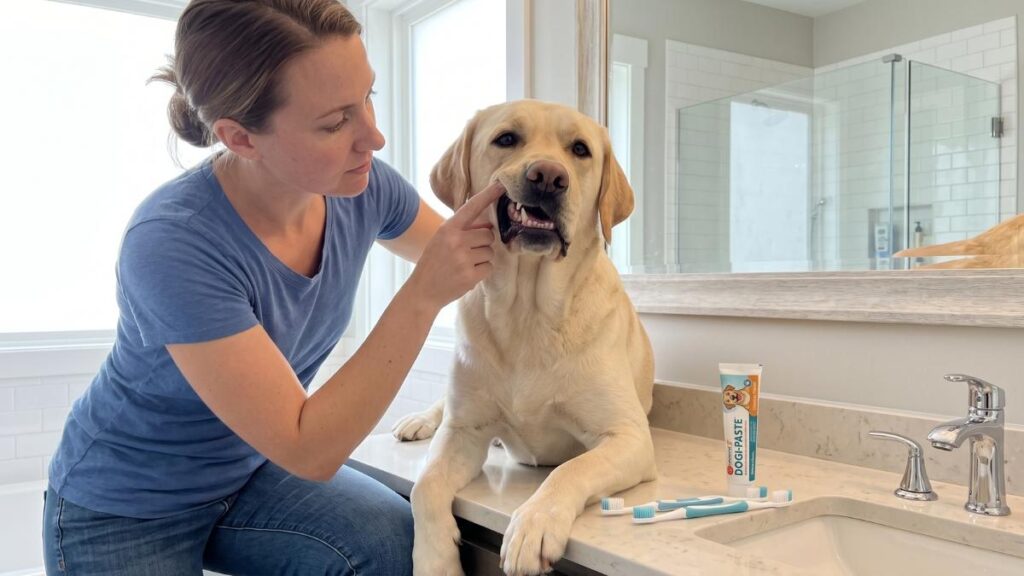
Regular brushing removes plaque before it hardens into tartar, and it’s the single habit with the most impact on long-term dental health. Use a toothbrush and toothpaste made for dogs, never human toothpaste, since some ingredients in human products are unsafe for dogs to swallow.
Start slowly if your dog hasn’t been brushed before: a few seconds of contact with a flavored dog toothpaste on your finger, building up to a full brushing session over several sessions rather than expecting full cooperation immediately.
How Often to Brush
Daily brushing gives the best results, though even three times a week meaningfully reduces plaque buildup compared to none at all. Consistency matters more than perfection, and a routine you’ll actually stick with beats an ideal schedule you abandon after two weeks.
Dental Chews and Treats
Dental chews mechanically scrape plaque as a dog chews, and can be a useful addition alongside brushing rather than a replacement for it. Look for products with the Veterinary Oral Health Council seal, which indicates the product has met a specific evidence standard for plaque or tartar reduction.
Professional Dental Cleanings
Even with excellent home care, most dogs benefit from periodic professional cleanings under anesthesia, which let a vet clean below the gumline where home brushing can’t reach and get a full picture of tooth and gum condition. Your vet can recommend a schedule based on your dog’s specific needs, since this varies by breed, age, and individual dental history.
Diet’s Effect on Dental Health
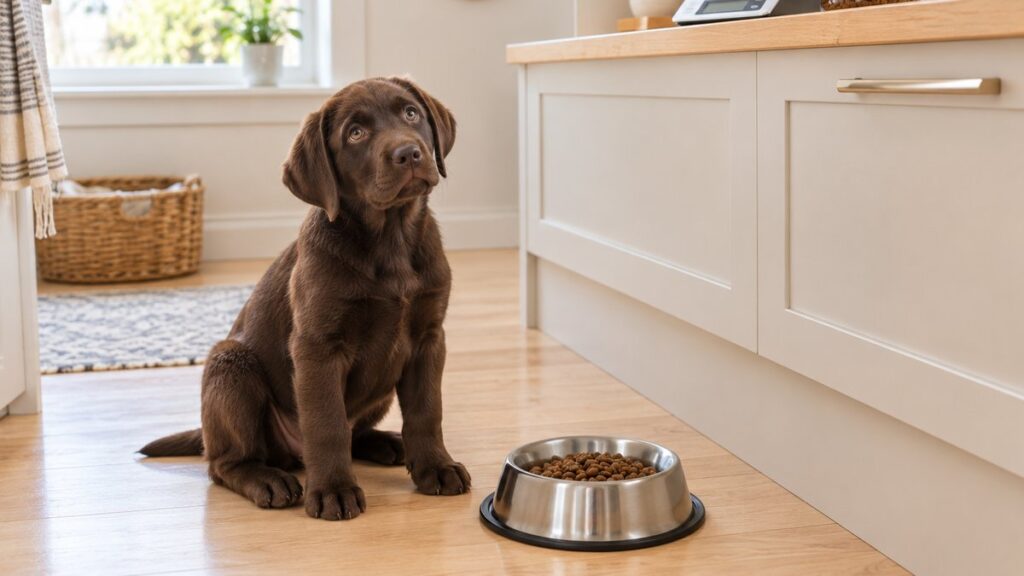
Dry kibble creates some mechanical scraping action as a dog chews, though it doesn’t clean teeth nearly as effectively as brushing does. A dog switching from wet to dry food shouldn’t expect a dental improvement from that change alone, since diet texture is a minor factor compared to a consistent brushing routine.
Anesthesia Concerns for Older Dogs
Some owners hesitate to schedule a professional cleaning for an older dog because of anesthesia risk. Modern veterinary anesthesia protocols include pre-anesthetic bloodwork and monitoring specifically designed to reduce this risk, and for most senior dogs, the risk of leaving advanced dental disease untreated outweighs the anesthesia risk itself.
Discussing your dog’s individual health status with your vet gives you a clearer picture than assuming age alone rules out a cleaning.
Breeds With Higher Dental Risk
Small and toy breeds often have more crowded teeth, which traps plaque more easily and raises the risk of dental disease compared to larger breeds with more spacing. This doesn’t mean larger dogs are exempt, just that owners of small breeds may want to be especially consistent with dental care.
Signs of Dental Disease to Watch For
Bad breath beyond the usual, visible tartar, red or bleeding gums, reluctance to eat hard food or chew toys, pawing at the mouth, or loose teeth all point to a dental problem that needs a vet visit. Advanced dental disease can also cause a dog to eat less overall, sometimes mistaken for a different health issue entirely.
Dental Disease and Overall Health
Bacteria from untreated dental disease can enter the bloodstream and affect other organs, including the heart and kidneys, over time. Dental care isn’t just about a dog’s mouth, it’s connected to their overall physical condition.
Introducing Dental Care to a Puppy
Starting dental habits early, while a puppy is still forming general handling associations, makes the whole process considerably easier than introducing brushing to an adult dog with no prior experience. Gentle mouth handling from a young age, paired with treats, builds tolerance well before brushing itself even begins.
What to Do If Your Dog Won’t Tolerate Brushing
Some dogs resist brushing regardless of how gradually it’s introduced. In these cases, dental chews, water additives, and dental-specific diets formulated to reduce tartar can provide a partial alternative, though none fully replace what brushing accomplishes.
Your vet can help build a realistic plan around what your specific dog will actually tolerate.
Common Mistakes in Dental Care
Using human toothpaste. Many contain ingredients that are unsafe for dogs if swallowed, and dogs can’t spit the way people do.
Only relying on dental chews without any brushing. Chews help, but they don’t reach every tooth surface the way brushing does.
Waiting for obvious pain before seeing a vet. Dogs mask dental pain well, so waiting for an obvious sign often means the disease has already progressed.
Frequently Asked Questions
At what age should I start brushing my dog’s teeth? As early as possible, ideally starting in puppyhood, though any age is a reasonable time to begin building the habit.
How can I tell if my dog needs a professional cleaning? Visible tartar, gum inflammation, or bad breath are all signs your vet can assess, and they’ll tell you whether a cleaning is needed now or can wait.
Are dental water additives actually effective? Some have reasonable evidence behind them for reducing plaque, though they work best alongside brushing rather than as a standalone solution.
The Bottom Line
Dental disease is common, largely preventable, and easy to underestimate since dogs hide the discomfort well. Regular brushing, appropriate chews, and periodic professional cleanings together do most of the work.
For the full picture on dog health care, see: Dog Health Care: The Complete Guide.