This search combines two of the strongest terms in this whole category, and the breeds that show up for it are exactly what you’d expect: small, round-faced, and hard to walk past without stopping. Each one earns that reputation a slightly different way, and the difference matters more once you’re living with the dog than when you’re just scrolling past a photo.
Shih Tzu
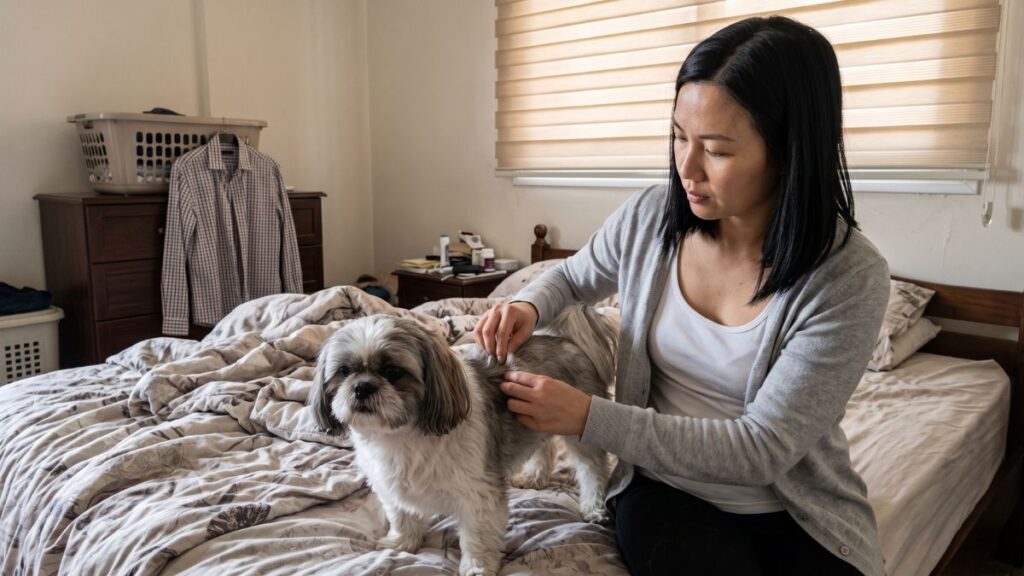
Bred for companionship in Chinese imperial courts, the Shih Tzu’s round face and big dark eyes give it a classic, doll-like look. The name translates roughly to “lion dog,” a nod to its symbolic role in Buddhist art and its status as a favored companion of Chinese emperors for centuries.
Affectionate and adaptable, Shih Tzus do well in apartments and tend to greet strangers with curiosity rather than suspicion, a real plus for a calm household with regular visitors. That friendliness carries over to other pets too, so adding one to a home with an existing dog or cat is usually painless.
The double coat, kept long, gives the classic show-dog look, though most pet Shih Tzus get a shorter clip that keeps the round face while cutting daily grooming time considerably. Owners who do keep the coat long usually tie it up in a topknot, for comfort and to stop tear staining.
The negative: like other brachycephalic breeds, Shih Tzus can struggle with breathing and heat, and their prominent eyes are more prone to injury and corneal ulcers than a typical dog’s. The flowing coat, left long, mats easily and needs daily brushing, which is exactly why most owners go shorter. Lifespan runs 10 to 18 years.
There’s also a stubborn streak under that sweet exterior, which surprises new owners expecting a total pushover from something this small and cuddly. Consistent, patient training from puppyhood channels that independence into good manners instead of a battle of wills.
Pug
An ancient breed favored by Chinese emperors and later European royalty, the Pug’s deep wrinkles and huge round eyes give it one of the most exaggeratedly cute faces around, a look that’s made it a fixture in internet dog culture for years.
Comedic and people-oriented, Pugs bond with the whole household and do best as a constant companion rather than a dog left alone often, thriving on attention. Pug owners often say the breed has a real sense of comedic timing, always seeming to know exactly when to interrupt with a well-placed antic.
The name’s thought to come from the Latin word for “fist,” a nod to the wrinkled face looking like a clenched hand, though the exact etymology gets debated among breed historians. Others trace it to a Chinese term with a similar sound, pointing back to the breed’s actual Chinese origins before it became a European favorite.
The negative: Pugs are severely brachycephalic, bringing real breathing difficulty, heat intolerance, and a real risk of proptosis, where the shallow eye socket lets the eye partially dislodge under trauma. This is one of the more serious health trade-off breeds on any “cute” list, worth understanding fully before committing, ideally by talking to a vet who knows brachycephalic breeds first. Lifespan runs 12 to 15 years.
Pugs are also prone to skin issues in those deep facial wrinkles, which need regular cleaning to avoid infection, an easy grooming need to overlook otherwise. A quick daily wipe with a damp cloth between the folds prevents most of the moisture buildup that leads to irritation and odor.
Cavalier King Charles Spaniel
With large, soft eyes and a gentle, silky coat, the Cavalier carries centuries of history as a companion to British royalty, and the temperament matches the look: affectionate, patient, and easy in nearly any household situation.
They’re good with kids and other pets, carrying very little territorial instinct, a reliably gentle choice for a busy household with multiple pets or frequent visitors. That adaptability extends to travel too; Cavaliers generally handle car rides and new places with less stress than more anxious toy breeds.
The breed comes in four recognized color patterns, including the distinctive Blenheim (chestnut and white) and the solid Ruby, each tied historically to a different royal line that favored the breed. The Blenheim pattern takes its name from Blenheim Palace, ancestral home of the Duke of Marlborough, where the color combination was reportedly first established.
The negative, and a serious one: Cavaliers have a notably high rate of mitral valve disease, affecting the majority of the breed by age 10, and syringomyelia, a painful neurological condition tied to skull shape. Both are worth screening for with a responsible breeder before buying. Lifespan runs 9 to 14 years.
Even with those health concerns, the Cavalier’s temperament is one of the most consistently praised in the toy breed world, hard to rattle even in a chaotic household, which is part of why the breed shows up so often in therapy and emotional support roles.
Havanese
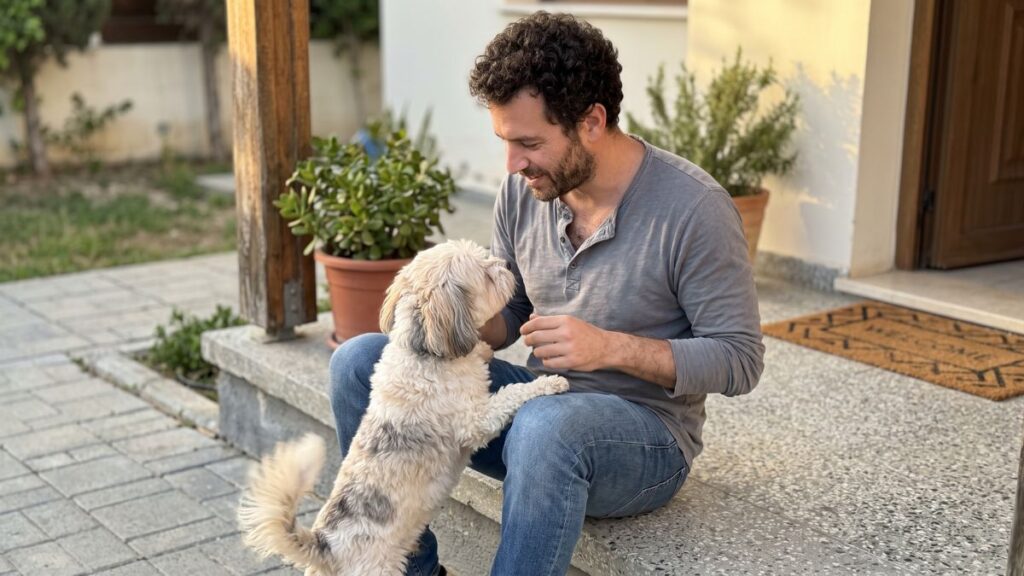
Cuba’s national dog, the Havanese carries a soft, wavy coat and warm, expressive eyes, developed as a companion breed for Cuban aristocracy before spreading internationally in the 20th century, nearly disappearing entirely after many owning families left Cuba following the revolution.
People-focused and good with kids and other pets, the Havanese’s real trainability has taken it into trick work and therapy dog roles, responding especially well to reward-based training. That playful streak also makes it a good match for a household wanting an engaged companion, not just a decorative lapdog.
The coat comes in an unusually wide range of colors and patterns for one breed standard, pure white to black and multicolor combinations, and some breed clubs recognize over a dozen distinct color categories, more variation than almost any other toy breed standard allows.
The negative: this breed doesn’t do well left alone for long periods and can develop real separation anxiety. The coat needs regular brushing to avoid matting, and Havanese are prone to luxating patella. Lifespan runs 14 to 16 years, among the longest here.
The modern American Havanese population traces back to just a small number of dogs brought out of Cuba in the early 1960s, which makes the gene pool narrower than most breeds despite how popular it is today. Responsible breeders track pedigrees carefully to manage that limited diversity.
Bichon Frise
A dense, curly white coat styled into a round, powder-puff shape gives the Bichon Frise one of the most recognizable cute silhouettes around, with a history tracing to Mediterranean sailors and later French and Spanish nobility, who prized the breed for its cheerful temperament.
Cheerful and low-aggression, Bichons are a popular family choice and often get recommended to owners with mild allergies, since the coat traps loose hair instead of shedding it around the house. That upbeat temperament also makes them forgiving for a household still learning the ropes of dog ownership.
Historically, Bichons performed in circuses and street shows across Europe, which shaped the outgoing, crowd-pleasing personality that’s still visible today and probably explains why the breed takes so naturally to trick training and dog sports.
The negative: that signature coat needs professional clipping every 4 to 6 weeks or it mats close to the skin, and Bichons are prone to skin allergies and recurring ear infections. Lifespan runs 14 to 15 years.
Bichons also do well in multi-dog households, rarely showing the resource guarding or same-sex aggression some small breeds display, and their sturdy, compact build holds up better to enthusiastic play than some of the more delicate toy breeds here.
Pomeranian
A thick double coat and fox-like face, often styled into a Teddy Bear or Lion Cut, make the Pomeranian one of the most photographed small breeds around, descended from much larger Spitz sled dogs before generations of deliberate size reduction brought it down to today’s toy size.
Alert and bold for their size, Pomeranians often act like a much bigger dog, and without consistent training that can tip into pushy or reactive behavior, easier to prevent early than fix later. Starting basic obedience in puppyhood makes a real difference in how manageable the adult dog turns out.
The breed comes in an enormous range of colors, more variation than almost any other breed standard allows, from solid orange and cream to elaborate parti-color and merle patterns.
The negative: Pomeranians are prone to luxating patella and dental crowding, and that thick coat can hide weight gain, so hands-on checks matter more than judging by looks. Lifespan runs 12 to 16 years.
The breed’s size reduction over generations, from roughly 30-pound working dogs to today’s 3-to-7-pound companion, is one of the more extreme transformations in dog breeding history, a clear example of how fast selective breeding can reshape a dog’s basic structure.
FAQ
Why do people search “cute small dog breeds” instead of just “small dog breeds”?
It’s a more specific intent, someone searching this term is prioritizing appearance and charm within the small-breed category, not just size, and Pinterest’s own data shows these searches cluster together consistently.
Do these breeds share any common physical traits?
Most carry rounder faces, bigger eyes relative to head size, and softer coats, the same “baby schema” features behind the broader appeal of cute dog breeds generally.
Which of these breeds is easiest to train?
The Havanese is generally the most consistently trainable of this group, responsive and eager to please compared to some of the more independent toy breeds here.
Are any of these breeds a good match for a household with allergies?
The Bichon Frise and Havanese both get recommended often to allergy-sensitive households, though individual sensitivity always varies and no breed is truly hypoallergenic.
Which of these breeds has the most serious documented health concerns?
The Cavalier King Charles Spaniel’s rate of heart disease is the biggest health consideration on this list, worth a real conversation with a vet and breeder.
Do any of these breeds do particularly well with cats?
The Shih Tzu and Cavalier King Charles Spaniel both tend to adapt to feline housemates with the least friction, thanks to a low prey drive and easygoing temperament.
Which of these breeds needs the most daily brushing?
The Bichon Frise and Shih Tzu, if kept in a longer coat, both need daily attention to avoid matting, more than the shorter-coated Pug here.
The Bottom Line
These six breeds combine real small size with the round-faced, soft-coated features behind most “cute” searches, though several carry real health considerations tied to those same traits, worth weighing before appearance alone makes the call. What makes a face look adorable and what makes a dog easy to live with aren’t always the same thing.
For more on small and toy breeds, see Small Dog Breeds, Best Small Dog Breeds, Little Dog Breeds, Tiny Dog Breeds, Cutest Small Dog Breeds, Toy Dog Breeds, Small Dog Breeds That Are Low Maintenance, and Small Dog Breeds Chart.