If your dog’s totally fine most of the year and then turns into a sneezing, scratching mess every spring or fall, that pattern’s a real clue, not a coincidence. Seasonal allergies in dogs work a lot like they do in people, and there’s genuine value in getting ahead of it before the season actually starts.
What’s Actually Triggering It
Tree and grass pollen dominate spring, ragweed and mold spores tend to pick up in fall, and different regions have their own specific peak windows depending on climate and how mild or wet the season’s been. If you can identify roughly when your dog’s symptoms start each year, you’ve already got useful information for planning ahead, even without ever getting formal allergy testing done.
Start Management Before the Season Actually Begins
This is the single biggest difference between owners who manage seasonal allergies well and those who don’t. Starting baths, wipe-downs, and any vet-recommended medication a couple of weeks before your dog’s usual flare-up window gives you a real head start, rather than playing catch-up once symptoms are already in full swing.
Wipe Down Is Non-Negotiable During Peak Season
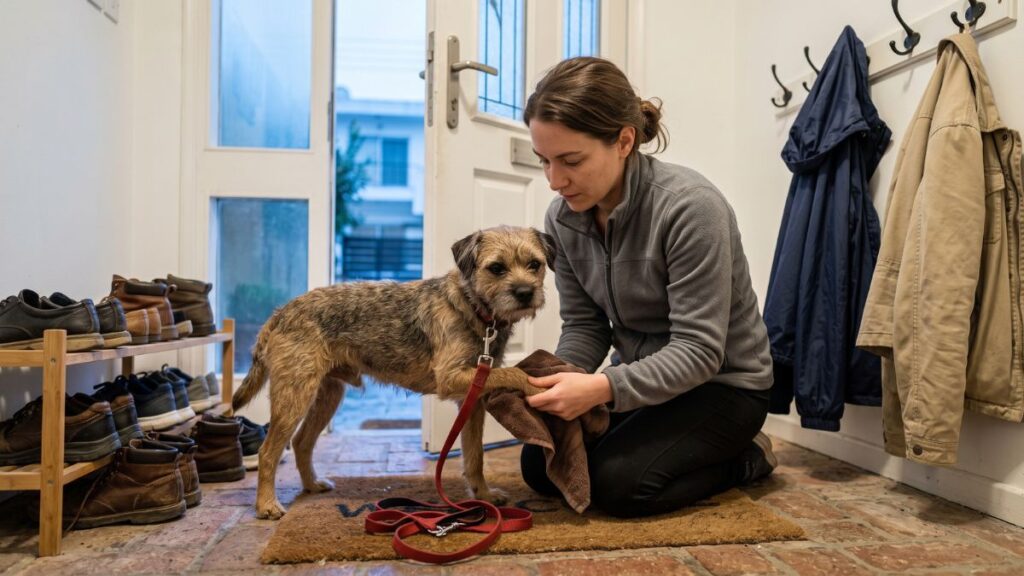
A damp cloth over paws, belly, and legs after every outdoor session removes pollen before it gets tracked inside or licked right back off. During peak pollen weeks, this single habit alone makes a noticeable difference for a lot of dogs.
Check Local Pollen Counts
Local weather apps and allergy tracking sites publish daily pollen counts, and on the worst days, shorter walks or walks timed for early morning (pollen counts are often lower then) can meaningfully reduce your dog’s total exposure without cutting out exercise entirely. Late afternoon after a light rain tends to be another lower-pollen window worth using if your schedule allows it.
Rinse Off After High-Pollen Days Specifically
You don’t necessarily need a full bath every single day during allergy season, but a quick rinse with plain water after a particularly high-pollen day washes off what a simple wipe-down might miss, especially from a thicker coat.
An Air Purifier Genuinely Earns Its Keep This Time of Year
If pollen’s getting inside your home through open windows or on clothing and shoes, a HEPA air purifier running during peak season measurably reduces indoor allergen levels. Keeping windows closed on high-pollen days helps too, even though it’s tempting to air the place out.
Omega-3s as Part of a Seasonal Routine
Some owners start fish oil supplements a few weeks before the expected flare-up window specifically, giving the skin barrier support time to build up before symptoms would normally start. This isn’t a guaranteed prevention, but it’s a reasonable part of a proactive plan.
Antihistamines: Worth Planning, Not Guessing
If your vet’s confirmed a specific antihistamine works well for your dog, having it on hand and starting it right before the known seasonal window, rather than waiting until symptoms are already bad, tends to work better. This is worth an actual conversation with your vet each year rather than assuming last year’s plan is automatically still right.
Grass Can Be Its Own Specific Trigger
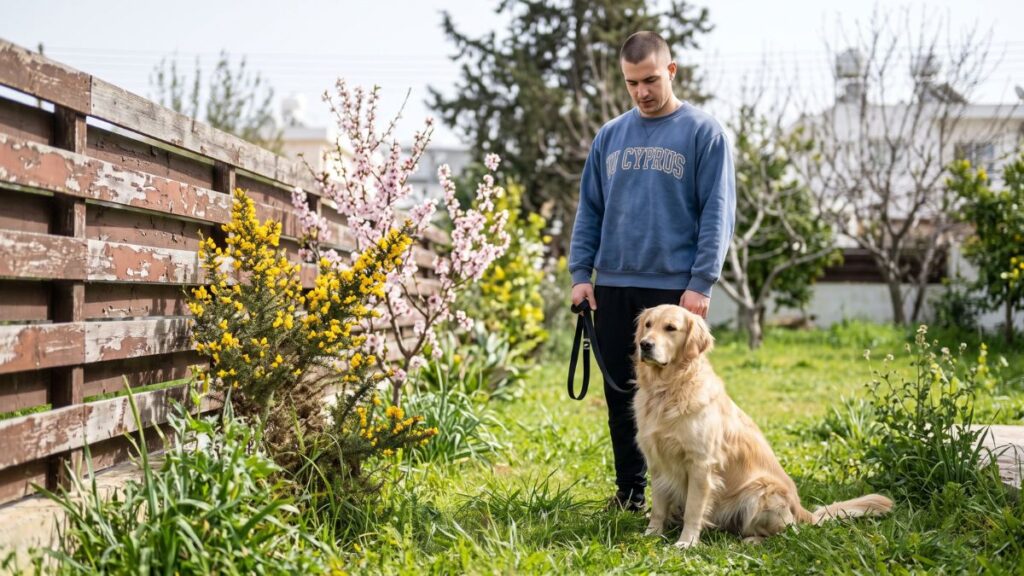
Beyond airborne pollen, direct contact with grass, rolling in it, walking through it, lying on it, can trigger its own reaction in a genuinely grass-sensitive dog, separate from inhaled pollen. If symptoms seem tied specifically to time spent on grass rather than just being outside generally, that’s worth noting as its own pattern.
Keep a Year-to-Year Log
Jotting down roughly when symptoms started, how severe they got, and what helped each year builds up real, useful information over time. Patterns become a lot clearer by year two or three than they ever are in the moment during a single bad season.
Mold Is the Overlooked Fall Trigger
While ragweed gets most of the attention in fall, mold spores from decomposing leaves and damp yard debris are just as real a trigger for a lot of dogs. Raking up wet leaves promptly rather than letting them sit, and keeping your dog away from piles of decomposing yard waste, cuts down on this specific exposure quite a bit.
FAQ
Do seasonal allergies get worse as a dog ages?
They can, actually. Allergic sensitivity sometimes increases with repeated seasonal exposure over the years, which is part of why early, consistent management matters.
Can indoor dogs still get seasonal allergies?
Yes, pollen travels indoors on clothing, shoes, and through open windows, so even a mostly indoor dog isn’t fully protected from seasonal triggers.
How far in advance should I start prevention habits?
A couple of weeks before your dog’s usual symptom window is a reasonable starting point, based on whatever pattern you’ve noticed in previous years.
The Bottom Line
Seasonal allergies follow a fairly predictable pattern once you’ve watched it happen a year or two, and getting ahead of that pattern with early management beats reacting once your dog’s already miserable. A bit of planning goes a long way here.
For the fuller allergy picture, see Dog Allergy Remedies, or head back to Dog Remedies: The Real, Honest Guide to What Actually Helps.