Once you’ve ruled out fleas and it’s still not adding up, allergies are usually the next thing to look at. The tricky part is that dog allergies show up in a bunch of different ways, so it’s worth actually understanding what you’re dealing with before you start throwing remedies at the problem.
Food Allergy or Environmental Allergy? Here’s the Real Difference
A food allergy tends to cause year-round symptoms, since your dog’s eating the trigger every day regardless of season. An environmental allergy, think pollen, dust mites, mold, often follows a seasonal pattern instead, or shows up specifically after time spent outside or in a particular room.
Food allergies also more commonly bring along digestive symptoms alongside the itching, loose stool, excessive gas, or occasional vomiting. If your dog’s just itchy with no digestive changes at all, environmental is the more likely culprit.
Where to Actually Look on Your Dog
Allergic reactions in dogs tend to concentrate in specific spots: paws (a lot of licking and chewing specifically at the feet), ears (redness, head shaking, a yeasty smell), the belly, and around the base of the tail. This pattern is different from flea-driven itching, which tends to focus more around the rear end and lower back specifically.
The Elimination Diet: What It Actually Involves
If food’s the suspected culprit, an elimination diet is genuinely the most reliable way to confirm it. You feed a single novel protein and carb source your dog’s never had before, duck and sweet potato, or venison and pea, are common choices, for around 8 to 12 weeks, with nothing else at all, no treats, no table scraps, no flavored medications.
If symptoms clear up during that window, you then reintroduce old foods one at a time, waiting a week or two between each, to see which one actually brings symptoms back. It’s slow and it takes real commitment, but it works where guessing usually doesn’t.
Managing Environmental Allergies Day to Day
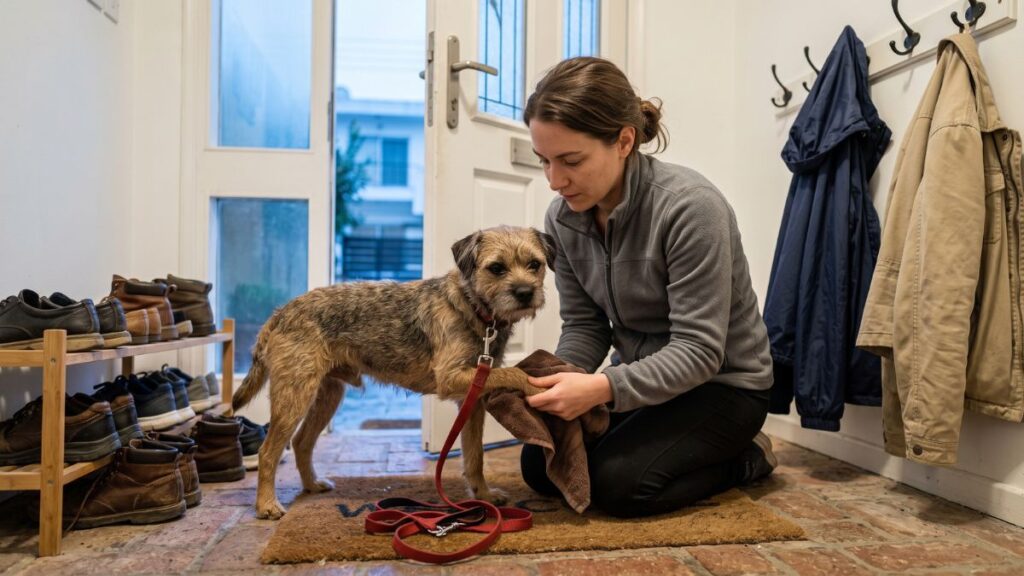
Wiping your dog down with a damp cloth after every walk removes a lot of pollen and outdoor allergens before they get tracked inside or licked off later. Washing bedding weekly, running an air purifier, and vacuuming more often than you’d normally bother with all genuinely cut down on what your dog’s actually exposed to at home.
What Actually Soothes Symptoms While You Figure It Out
An oatmeal bath helps regardless of which type of allergy you’re dealing with, since it calms irritated skin without needing to know the exact cause first. Regular paw wipes after outdoor time are a genuinely easy habit that helps with both types too.
Omega-3 fatty acids, from fish oil specifically, have real research behind them for supporting skin barrier function in allergic dogs. It’s not an instant fix, but consistent use over several weeks does make a measurable difference for a lot of dogs.
Antihistamines: A Genuine Option, With a Caveat
Some antihistamines are safe for dogs, but which one, and at what amount, is something to actually get from your vet rather than guessing based on the human dose on the bottle. Not every antihistamine is safe, and getting this wrong can do real harm, so this is one spot where a quick call is worth it.
Certain Breeds Genuinely Deal With This More
Some breeds are just more prone to allergies overall, Bulldogs, Retrievers, Terriers, and Shar-Peis show up disproportionately often in allergy cases. That doesn’t mean every dog of these breeds will have one, but if you’ve got one of these and something seems off, it’s worth taking the possibility seriously sooner rather than later.
When to Stop Guessing and Get Tested
If home management isn’t cutting it after a few weeks, a vet can run actual allergy testing, either blood testing or skin testing, to identify specific triggers rather than you working through a list of possibilities on your own. It costs more upfront but can save a lot of ongoing frustration.
FAQ
Can a dog develop allergies later in life even if they never had them before?
Yes, actually pretty common. Allergies can develop at any age, so don’t rule one out just because your dog’s been fine for years.
How long does an elimination diet actually take to show results?
Most vets recommend at least 8 weeks on the new diet before drawing conclusions, since it takes that long for old proteins to fully clear your dog’s system.
Is grain-free food better for allergies?
Not automatically. Grain allergies are actually less common in dogs than allergies to specific proteins like chicken or beef. Grain-free isn’t a shortcut to solving an allergy on its own.
The Bottom Line
Figuring out food versus environmental allergy comes down to pattern watching and, if needed, a proper elimination diet. It’s not a quick fix, but it’s a reliable one, and soothing the symptoms along the way makes the whole process a lot more bearable for both of you.
For fast relief right now, see Dog Allergy Remedies for Itch Relief, and for the full picture on dog remedies, see Dog Remedies: The Real, Honest Guide to What Actually Helps.