If you’ve ever stood in your kitchen at 9pm googling “what can I give my dog for” whatever’s going on that day, this guide is for you. Dogs get itchy, upset stomachs, hives, hot spots, all sorts of things, and most of the time there’s a real, sensible remedy that helps, once you know what’s actually going on and what actually works versus what’s just internet folklore.
This page pulls together everything on the site about dog remedies, organized so you can jump straight to whatever your dog is dealing with right now, rather than scrolling through ten unrelated blog posts hoping one of them fits your situation.
Itchy Dogs Are the Most Common Reason People Land Here
An itchy dog is probably the single biggest reason anyone searches “dog remedies” in the first place. Constant scratching, licking, or chewing at one spot is uncomfortable for your dog and honestly pretty stressful to watch, especially at 2am when it won’t stop.
The good news is that itching almost always has a findable cause, whether that’s fleas, an allergy, dry skin, or something environmental like a new detergent or a patch of grass they rolled in. Oatmeal baths, cool compresses, and keeping paws clean after walks all help take the edge off while you figure out what’s actually triggering it.
Before you try anything else, it’s worth doing a proper flea check first, since fleas are still one of the most common causes of sudden, intense itching, and they’re easy to miss if your dog isn’t visibly scratching at their back end specifically. A flea comb run through the fur near the tail base will usually show you fast whether that’s the culprit.
See Itchy Dog Remedies for the full rundown on what actually calms things down.
Allergies Are Behind a Lot More Than People Realize
Dog allergies show up in ways that don’t always scream “allergy” right away, itchy paws, red ears, a rash along the belly, even recurring ear infections can all trace back to an allergic reaction rather than something more serious.
Food allergies and environmental allergies (think pollen, dust mites, grass) get treated pretty differently, and figuring out which one you’re dealing with makes a real difference in what actually helps. Some dogs need a proper elimination diet to nail it down, others just need pollen season managed a bit better.
An elimination diet sounds intense but it’s really just feeding your dog a single novel protein and carb source for several weeks, chicken and rice or duck and sweet potato are common starting points, then reintroducing old foods one at a time to see what actually triggers a reaction. It takes patience, but it’s the most reliable way to pin down a food allergy without guessing.
See Dog Allergy Remedies for how to actually start narrowing it down.
When It’s Specifically About Itch Relief in the Moment
Sometimes you’re not trying to solve the whole allergy puzzle right now, you just need your dog to stop scratching so everyone can get some sleep. That’s a real need, and there are real, safe ways to bring relief fast without waiting on a full diagnosis.
A cool oatmeal bath is one of the most reliably soothing things you can do at home. Oatmeal genuinely has anti-inflammatory properties for irritated skin, this isn’t an old wives’ tale. Antihistamines can help too in some cases, though which one and how much is a conversation to have with your vet rather than guessing based on a human dose.
See Dog Allergy Remedies for Itch Relief for the fast-acting options that are actually safe to try at home.
Skin Irritation Isn’t Always an Allergy
Redness, a hot spot, or an irritated patch can come from something as simple as friction from a collar, a bug bite, or a reaction to a new shampoo, not necessarily a full-blown allergy at all. Knowing the difference matters because the fix is usually a lot simpler than you’d think.
Hot spots specifically can go from a small red patch to a raw, angry-looking mess within hours, since dogs tend to lick and chew at an irritated spot, which makes it worse in a fast, ugly feedback loop. Catching it early and getting your dog to actually leave it alone matters more than almost anything else you can do for a hot spot.
See Dog Skin Irritation Remedies for how to soothe it and figure out what caused it.
DIY Options When You Want to Try Something Tonight
Not every itch needs a vet trip, and there’s real value in knowing what’s actually safe to try from your own kitchen or medicine cabinet before you spend money on a specialty product, or decide it’s time to call the vet after all.
Plain, unflavored oatmeal ground into a fine powder and mixed into bathwater is one of the safest, most tested options out there. A diluted apple cider vinegar rinse comes up a lot too, though it’s worth being careful with on any broken or raw skin, since it can sting rather than soothe in that situation.
See DIY Dog Itching Remedies for what’s actually safe to try, and what to skip.
Yeast Infections Have a Very Specific Smell and Look
If your dog’s skin smells a bit like corn chips (yes, really) or looks greasy and darker than usual in the folds, that’s a strong sign of a yeast overgrowth, not a typical allergy. It’s common, especially in dogs with skin folds or floppy ears, and it responds well to the right approach once you know that’s what you’re dealing with.
Breeds with lots of skin folds, Bulldogs, Pugs, Shar-Peis, are especially prone to this simply because those folds trap moisture, and yeast loves a warm, damp environment. Keeping those areas clean and properly dry after baths or swims goes a long way toward preventing it in the first place.
See Dog Yeast Infection Skin Remedies for what actually clears it up.
Home Remedies for Allergies Specifically
If you already know allergies are the issue and you’re looking for what you can actually do about it from home, rather than the broader “what’s going on with my dog” question, this is worth its own dedicated look.
Regular baths with a gentle, hypoallergenic shampoo, wiping paws after every walk, and washing bedding more often than you’d think necessary all cut down on the allergens your dog is exposed to day to day, even without changing anything about their diet or medication.
See Home Remedies for Dog Allergies for the practical, at-home side of managing it.
Seasonal Allergies Follow Their Own Pattern
Some dogs are totally fine most of the year and then turn into a scratching, sneezing mess every spring or fall. That pattern is a real clue, and there are real ways to get ahead of it before the season even starts, rather than just reacting once it’s already bad.
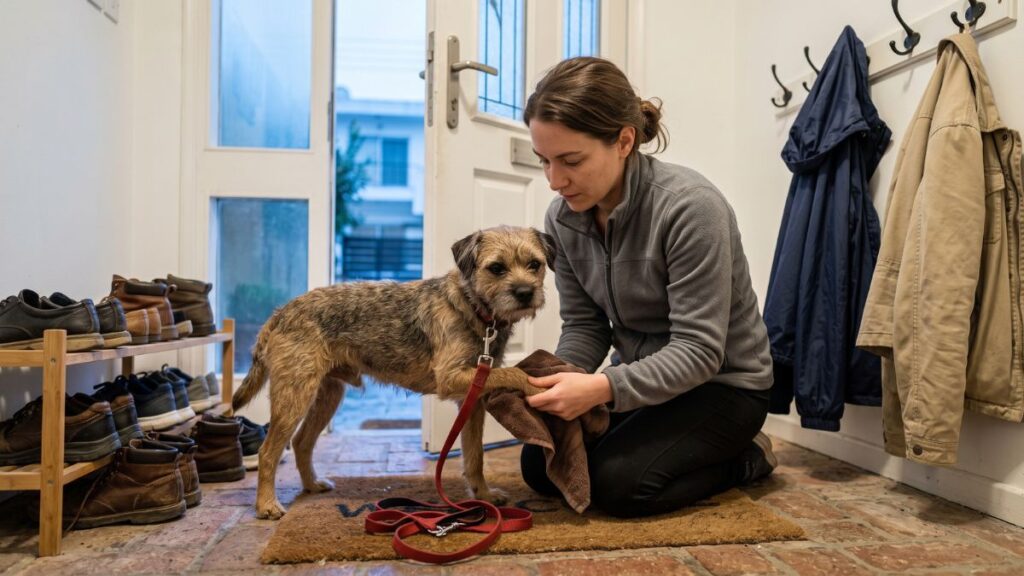
Wiping your dog down with a damp cloth after every outdoor session during peak pollen season removes a lot of what they’d otherwise track inside and onto furniture, beds, and eventually their own paws where they lick it right back off.
See Dog Seasonal Allergy Remedies for how to plan around it.
Hives Look Alarming but Are Usually Manageable
Sudden raised bumps all over your dog’s body are scary to see appear out of nowhere, but hives are usually a fast-onset allergic reaction to something specific, a bee sting, a new treat, a plant, and they typically respond quickly once you know what to do.
The real thing to watch closely with hives is how fast they’re spreading and whether your dog’s face or throat is swelling at all, since that’s the point where a manageable reaction can tip into something actually dangerous.
See Dog Hives Remedies for what to do when they show up, and when it’s actually an emergency instead.
Beyond Skin and Allergies
Remedies cover more than itching and skin. If your dog has had a seizure or you’re dealing with unexpected leaking, especially in a spayed female dog, those need their own careful, honest look at what’s actually going on medically. See Natural and Home Remedies for Dog Seizures and Natural and Home Remedies for Dog Incontinence for those specifically.
What Actually Causes Most of This in the First Place
A huge share of dog skin and itch problems trace back to one of four things: fleas, food, environmental allergens like pollen or dust mites, or a reaction to something they touched, a new shampoo, a cleaning product, even a specific type of grass. Working through those four in that order is usually the fastest way to actually figure out what’s going on rather than guessing randomly.
Diet plays a bigger role than a lot of owners expect too. Some dogs do better on a limited-ingredient food, not because grain-free or exotic proteins are magic, but because a simpler ingredient list means fewer potential triggers to sort through if something’s not agreeing with them.
What to Skip, Even If It’s Everywhere Online
Never guess an antihistamine dose based on a human amount. Dogs process medication differently, not every antihistamine is even safe for them, and getting this wrong can cause real harm rather than just not working.
“Natural” doesn’t automatically mean safe. Tea tree oil and undiluted essential oils show up constantly in home remedy lists despite being genuinely toxic to dogs even in small amounts. Just because something’s plant-based doesn’t mean it belongs anywhere near your dog’s skin or mouth.
Don’t keep reaching for the same remedy over and over if it’s not working. If you’ve tried something consistently for a week and there’s no real improvement, that’s your dog telling you it’s time for an actual diagnosis, not a sign to just try harder with the same approach.
Don’t treat every skin issue the same way. An oatmeal bath is great for general itching, but it won’t touch a yeast overgrowth or clear up an actual infection, and using the wrong remedy for the wrong problem just delays getting your dog real relief.
Don’t dismiss something as “probably fine” just because it looks mild right now. Hot spots and infections can escalate within hours, and catching things early is almost always easier than catching up once they’ve gotten worse.
How to Actually Use This Guide
Start with whatever’s actually happening with your dog right now rather than reading top to bottom. If you’re not sure whether it’s an allergy, skin irritation, or something else entirely, the itchy dog and allergy remedy guides are the best starting points since they’ll help you narrow it down from there.
When a Remedy Isn’t Enough
Home remedies are genuinely useful for everyday, mild stuff, but some signs mean it’s time to stop trying things at home and call the vet instead: swelling around the face or throat, trouble breathing, repeated vomiting, a seizure lasting more than a few minutes, or anything that’s rapidly getting worse rather than better. Trust your gut here. You know your dog better than any article does.
A Word on Puppies and Senior Dogs
Age changes how you should approach all of this. Puppies have more sensitive, still-developing skin and immune systems, so it’s worth being a bit more cautious with new products or foods and looping in your vet sooner rather than later. Senior dogs, meanwhile, sometimes develop new sensitivities they never had before, so don’t assume that because your dog’s never had an allergic reaction before, they never will.
FAQ
Is it ever okay to just try a home remedy without knowing the cause?
For mild, everyday stuff like a bit of itching or a minor skin irritation, yes, that’s usually fine to try first. For anything sudden, severe, or spreading fast, it’s worth a vet call before you start trying things yourself.
How do I know if it’s an allergy or something else?
Pattern is the biggest clue. Something that shows up every spring points to environmental allergies, something tied to a specific food points to a food allergy, and something that appeared suddenly after an outdoor walk might just be irritation or a bite.
Are natural remedies actually as effective as vet treatments?
For mild cases, often yes. For anything ongoing, severe, or not improving within a few days, a vet-prescribed treatment is going to work faster and more reliably.
My dog has never had allergies before. Can that change suddenly?
Yes, really. Allergies can develop at any age, and a dog that’s been fine for years can suddenly react to something new, whether that’s a food they’ve always eaten or something in the environment that’s changed.
Should I change my dog’s food the moment I see itching?
Not right away. It’s worth ruling out fleas and environmental causes first, since a diet change takes weeks to actually show results, and you don’t want to put your dog through an unnecessary food switch if the real cause is something else entirely.
The Bottom Line
Most of what brings people to search for dog remedies comes down to a handful of common, manageable issues, and once you know what you’re actually dealing with, the right approach usually isn’t complicated. Click through to whichever topic matches what your dog’s going through right now, and keep this page bookmarked for next time something new comes up.