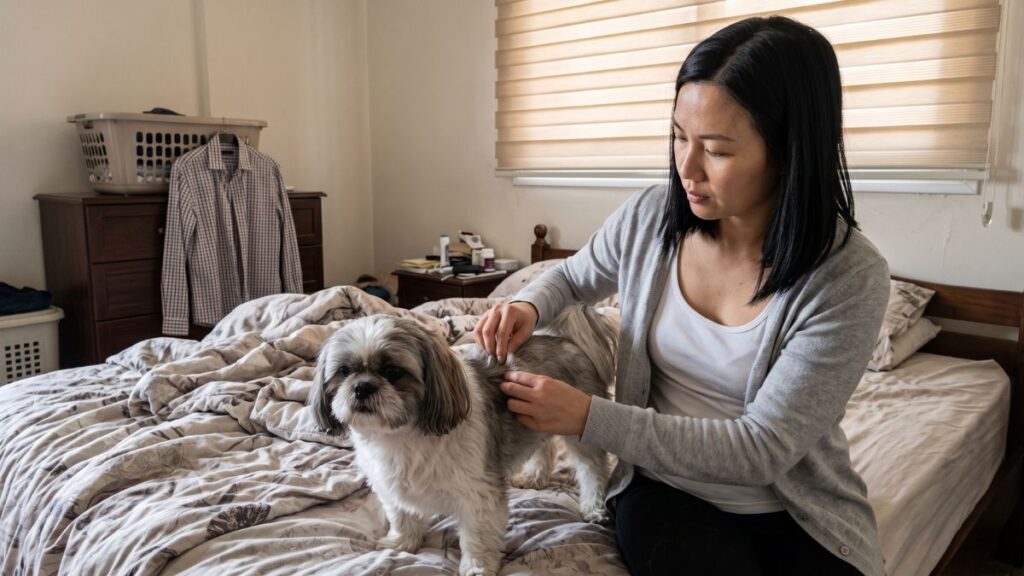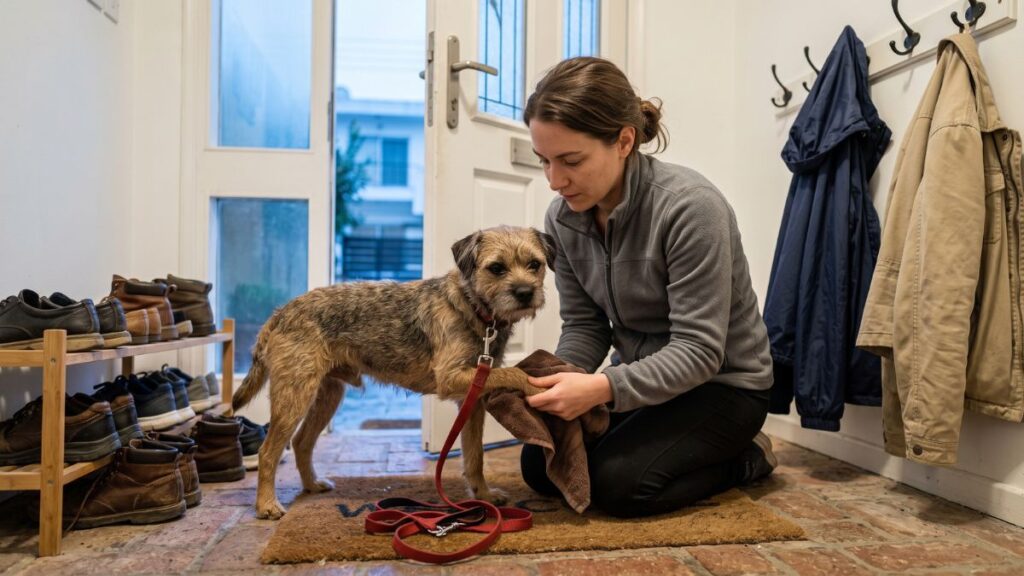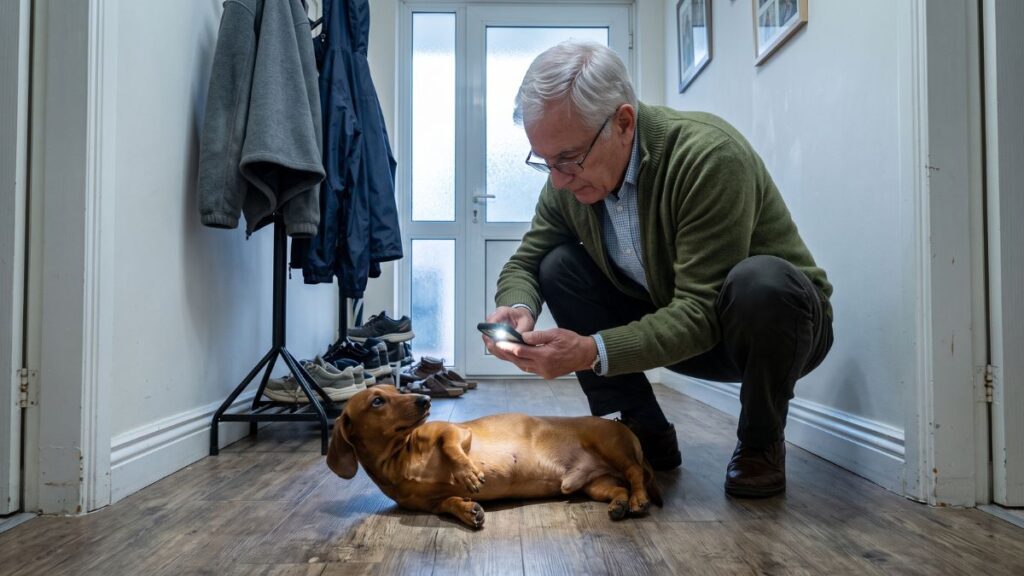
Not every red or irritated patch on your dog is an allergy. Sometimes it’s something a lot simpler than that, friction, a bite, a reaction to something touching the skin directly, and figuring out which one you’re actually looking at changes what you should do about it.
Hot Spots: The Fast, Angry-Looking Kind
A hot spot can go from barely noticeable to a raw, weeping mess within a few hours, which is alarming the first time you see it happen. Dogs lick and chew at an irritated spot, and that licking itself is what turns a small irritation into a bigger, angrier one fast. Getting your dog to actually stop touching the area matters more than almost anything else you can do.
Clip the fur around a hot spot short (this lets air reach it and stops matted, damp fur from making things worse), then clean it gently with a mild, dog-safe antiseptic. A cone or recovery collar for a day or two while it heals does speed up recovery, since it removes the temptation entirely.
Collar or Harness Friction
A poorly fitted collar or harness can rub the same spot repeatedly until it’s actually raw, especially on a dog with a thinner coat or sensitive skin. If the irritation lines up exactly with where gear sits, that’s your answer. Switching to a properly fitted option, or giving the skin a break from wearing it for a bit, usually resolves this fast.
Bug Bites and Stings
A single, localized swollen bump, sometimes with a visible bite mark, is a lot more likely to be an insect bite than a broader allergy. These usually settle on their own within a day or two. A cool compress helps with the swelling, and keeping an eye on it for spreading matters more than treating it aggressively upfront.
Reaction to a New Product
If irritation showed up shortly after switching shampoo, using a new flea treatment, or applying anything new to the skin, that product is the first suspect. Rinse thoroughly with plain water, stop using the product, and the irritation should start improving within a day or so if that was actually the cause.
Chafing Between Skin Folds
Dogs with skin folds, Bulldogs, Pugs, Shar-Peis, are prone to irritation simply from skin rubbing against skin in those creases, especially if moisture gets trapped there. Keeping folds clean and properly dry, particularly after baths or swimming, prevents a lot of this before it starts.
Grass and Plant Irritation
Rolling around in certain grasses or brushing against plants can leave a dog with contact irritation, similar to how poison ivy affects people, though dogs are generally less sensitive to most common plants than we are. If irritation follows a specific outdoor activity every time, that pattern is worth paying attention to and possibly avoiding that spot going forward.
What Actually Soothes Most Skin Irritation
A cool oatmeal bath works well here too, same as with general itching, since it calms inflamed skin regardless of the specific trigger. A pet-safe, fragrance-free moisturizing balm can help once the initial irritation’s calmed down, though skip anything with essential oils, which can irritate further rather than help.
When It’s Turned Into Something More Serious
If the area’s oozing, has a bad smell, or your dog seems properly uncomfortable beyond just the visible spot, that’s likely progressed into an infection, which needs actual treatment rather than home care alone. Hot spots specifically can get infected fast if left untreated, so don’t wait too long to get it looked at if home care isn’t turning things around within a couple of days.
Weather Can Play a Role Too
Hot, humid weather makes skin irritation more likely overall, since sweat and moisture (yes, dogs do sweat a bit, mostly through their paw pads, but skin folds trap moisture too) create a warmer, damper environment where irritation and secondary infections take hold more easily. A bit more attention to drying your dog off properly after outdoor time in summer genuinely helps.
FAQ
How do I know if it’s a hot spot or something else?
Hot spots develop fast, often within hours, and look raw, moist, and inflamed. A slower-developing patch is more likely to be irritation from something else entirely.
Can I put regular antiseptic on my dog’s skin?
Use something actually formulated for pets rather than human antiseptic products, since some human formulations contain ingredients that aren’t safe for dogs to lick, and they will lick.
Should I shave the whole area or just trim around it?
Trimming, not shaving, right around the affected spot is usually enough to let air in and keep matted fur from trapping moisture against the skin.
The Bottom Line
Skin irritation has a lot of possible, usually pretty simple causes beyond allergies, friction, bites, a new product, trapped moisture. Working out which one you’re dealing with points you straight to the fix, and most of these resolve within a few days with a bit of attention.
For allergy-specific symptoms instead, see Dog Allergy Remedies, or head back to Dog Remedies: The Real, Honest Guide to What Actually Helps.