So you already know it’s allergies, you’re past the “what’s actually going on” question and you’re looking for what you can actually do about it from home, day to day. This is the practical side, the stuff that actually reduces exposure and keeps things manageable without needing a prescription for every flare-up.
Bathing Routine Matters More Than People Think
A regular bath, roughly weekly for a dog with allergies, physically washes away pollen, dust, and other allergens sitting on the coat and skin before they get a chance to keep triggering a reaction. Use a gentle, hypoallergenic shampoo rather than anything scented, since fragrance can add its own irritation on top of the allergy itself.
Wipe Down After Every Outdoor Session
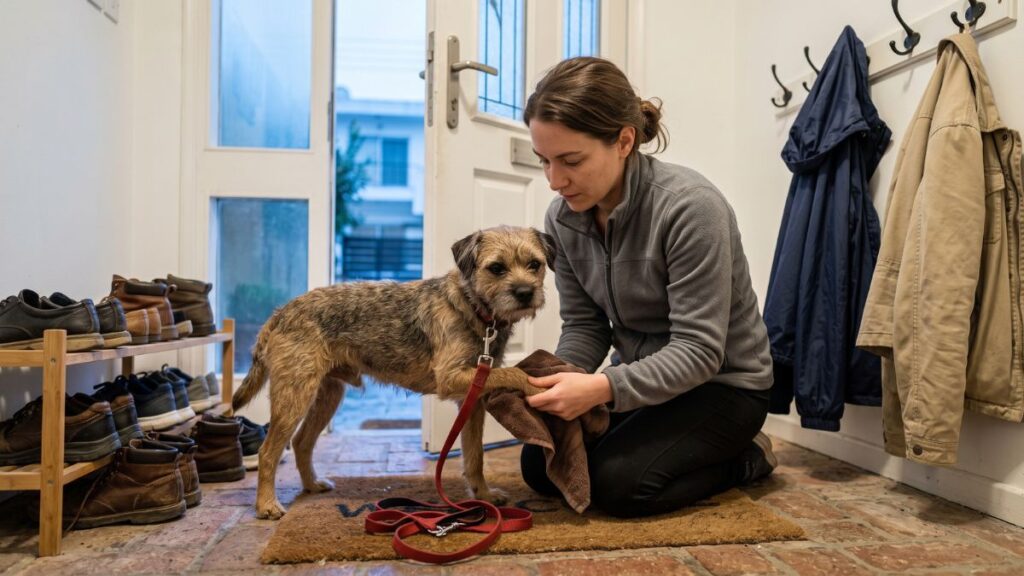
This one’s simple and makes a real difference. A quick pass with a damp cloth over paws, belly, and legs after time outside removes a lot of what your dog would otherwise track inside, roll around in on the couch, or lick right back off their own fur later.
Wash Bedding More Often Than Feels Necessary
Dog beds and blankets hold onto dander, dust mites, and whatever allergens your dog’s been exposed to, and washing weekly rather than occasionally cuts down on ongoing exposure. Hot water specifically helps kill dust mites, which regular warm-water washing alone doesn’t fully do.
An Air Purifier Actually Helps More Than You’d Expect
If environmental allergens are a big part of the picture, a decent air purifier with a HEPA filter running in the main rooms your dog spends time in can meaningfully reduce airborne allergen levels. It’s not a fix on its own, but combined with the other habits here, it adds up.
Omega-3s for Skin Barrier Support
Fish oil supplements, specifically for the omega-3 fatty acids, have real research behind them for supporting a healthier skin barrier in allergic dogs. This isn’t an instant fix, consistent use over several weeks is where the benefit actually shows up, but it’s a worthwhile addition alongside everything else.
Consider Where Your Dog Actually Sleeps
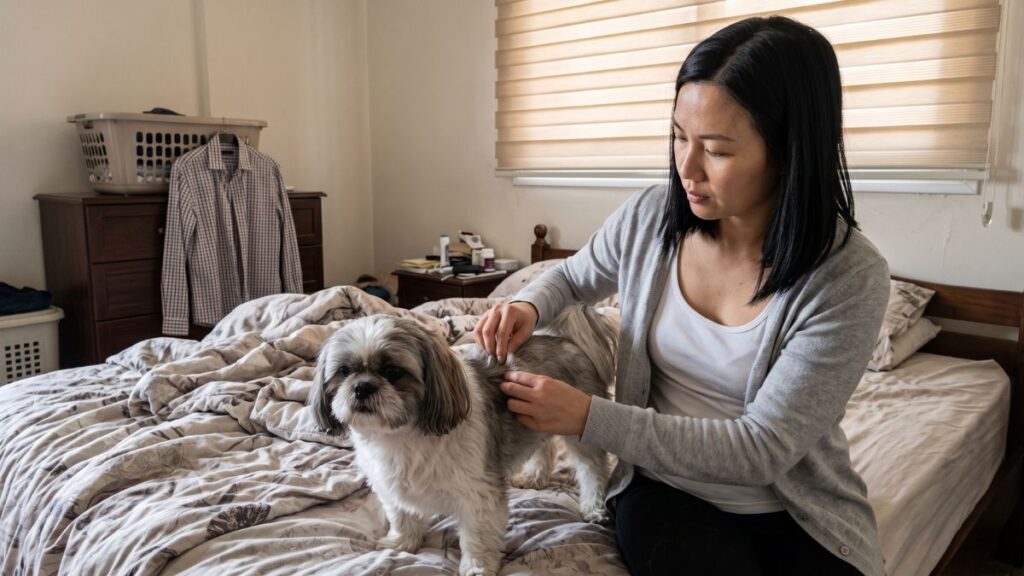
If your dog sleeps in the bedroom, especially on the bed, and you suspect dust mites or a similar allergen, moving their sleeping spot, or at least washing bedding there more often, can make a real difference. This is a small change that a lot of owners never think to try.
Food-Side Home Management
If food’s part of the picture, sticking strictly to whatever diet you and your vet have worked out matters more than almost anything else here. Even small amounts of a trigger ingredient, a training treat, a taste of something dropped on the floor, can undo weeks of otherwise good management.
Vacuum More Than You Think You Need To
Regular vacuuming, ideally with a HEPA filter vacuum, removes dander and allergens from carpets and furniture that would otherwise just sit there and keep re-exposing your dog every time they lie down. Twice a week during high-allergen seasons makes a visible difference for a lot of dogs.
Grooming Tools Matter Too
A regular brushing routine, even for short-coated breeds, physically removes loose allergens from the coat between baths and reduces how much your dog’s shedding around the house in general. A rubber curry brush or grooming mitt used a few times a week is a genuinely low-effort habit that adds up over time.
When Home Management Alone Isn’t Cutting It
If you’re doing all of this consistently and your dog’s still clearly struggling, that’s the point to loop your vet back in for actual allergy testing or a prescription option, rather than assuming you’re just not trying hard enough at home. Some allergies need more than management alone can provide.
Paw Balm and Booties for Grass-Sensitive Dogs
If grass or lawn treatments seem to be part of the trigger, a pet-safe paw balm applied before walks creates a bit of a physical barrier, and dog booties are a genuine option for a dog whose paws react badly regardless. Not every dog tolerates booties well, but it’s worth trying if paw licking is a consistent, specific pattern for your dog.
FAQ
How often should I actually bathe an allergic dog?
Weekly is a reasonable starting point for most dogs with environmental allergies, though your vet might adjust that based on your dog’s specific skin condition.
Does vacuuming really make a noticeable difference?
Yes, actually. Removing settled allergens from carpets and furniture cuts down on ongoing re-exposure in a way that’s easy to underestimate until you actually start doing it consistently.
Is fish oil safe to give long-term?
Generally yes, at an appropriate amount for your dog’s size, though it’s worth checking in with your vet, especially if your dog’s on any other medication.
The Bottom Line
Managing allergies from home comes down to consistent, unglamorous habits, bathing, wiping down, washing bedding, more than any single dramatic fix. Stack enough of these together and a lot of dogs genuinely do better without needing constant medication.
For figuring out the underlying cause first, see Dog Allergy Remedies, or head back to Dog Remedies: The Real, Honest Guide to What Actually Helps.