Every dog owner hits a moment of doubt.
Your puppy still bites, your teenager has forgotten how to come back, or your older dog suddenly takes forever to sit.
Most of the time, the answer depends on age.
This dog training by age checker shows you what’s realistic for your dog right now.
Enter their age and expected adult size below. You’ll get their training stage, how long sessions should be, what to expect and what not to, plus a quick check on common problems.
Free tool
Is My Dog’s Training on Track?
Enter your dog’s age and size to see their training stage, how long sessions should be, and what’s normal right now.
Training sessions
Can usually manage now
Don’t expect yet
General guidance only. Every dog develops at its own pace. If you’re worried about a sudden change in behavior, talk to your vet or a qualified, reward-based trainer.
Why Size Changes the Timeline
Big dogs grow up more slowly than small ones.
A Jack Russell is close to adult by about 12 months, while a Great Dane can stay in the teenage phase until around 2 years old.
Giant breeds also tend to reach their senior years sooner.
That's why the checker asks for adult size as well as age.
Not sure how big your puppy will get? Try our Puppy Weight Calculator.
The Four Training Stages
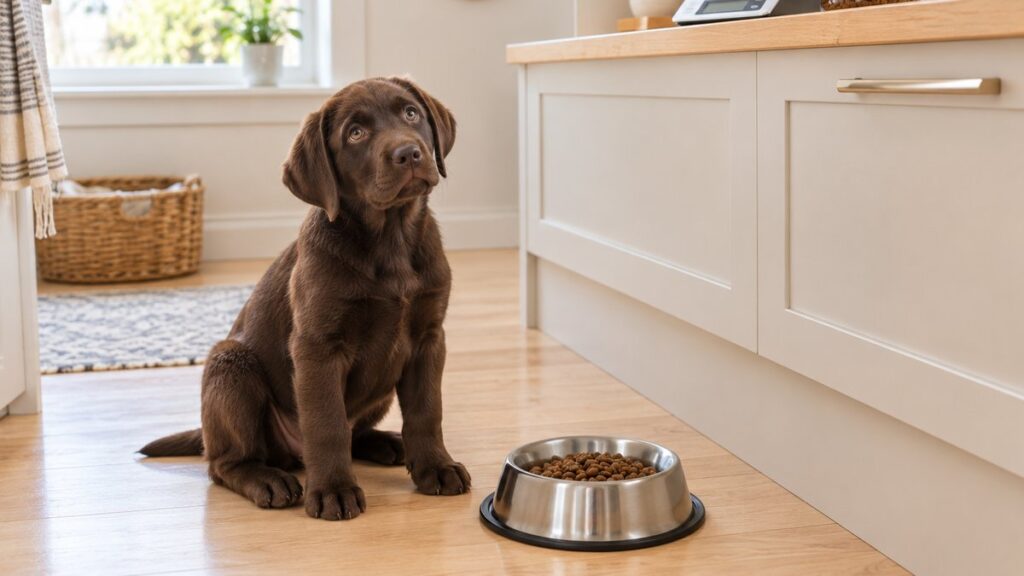
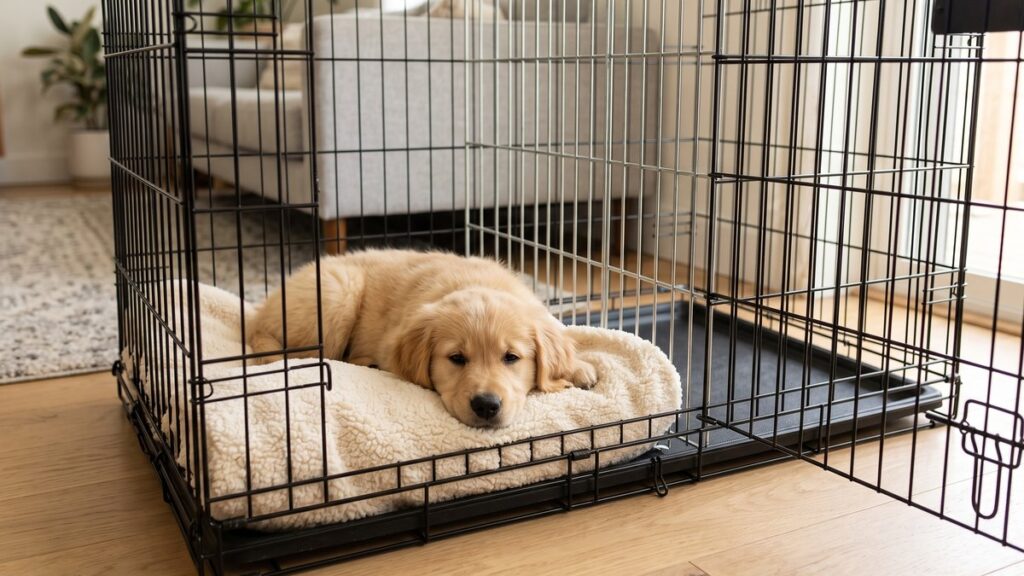
- Puppy (up to 6 months): short, happy sessions that build trust, name response, crate comfort and potty habits.
- Adolescent (6 months to adulthood): boundary testing and selective hearing. Skills that work at home often fall apart outside.
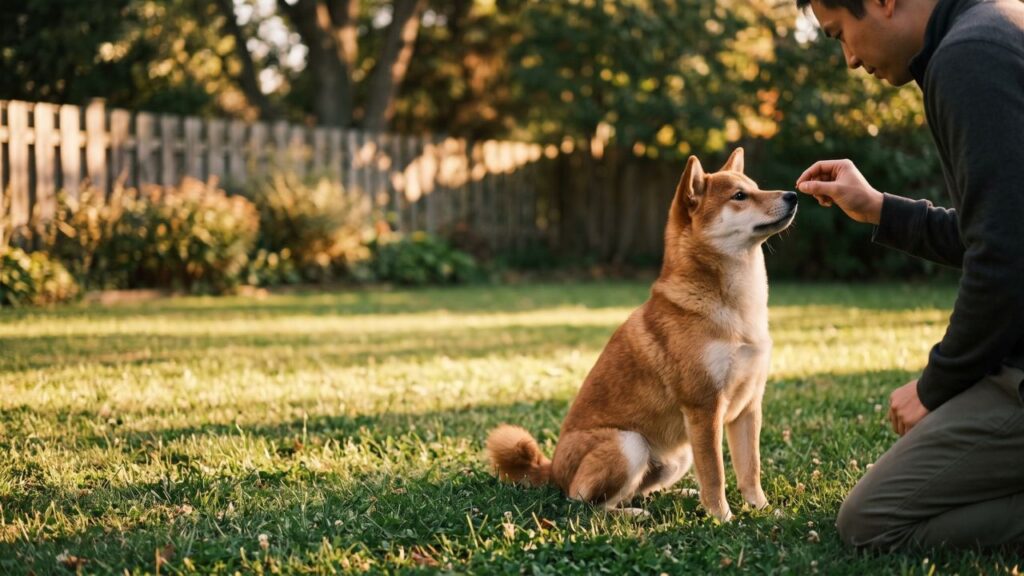
- Adult: full focus and impulse control. This is the best time to make skills reliable anywhere.
- Senior: still keen to learn, but with slower bodies and fading senses. Gentle sessions on non-slip floors work best.
For the full breakdown of each stage, read Obedience Training by Age: Puppy vs Adult Dog Expectations.
Why Session Length Matters
A young puppy's focus runs out in a minute or two. Push past that and they start biting, wandering off or getting silly.
Short sessions that end on a win teach faster than long ones that end in frustration.
As your dog grows, sessions can grow too. Most adults can manage 10 to 15 minutes at a time.
When Normal Isn't Enough
Many training problems are just a phase, but a few deserve a closer look.
A sudden change in an adult or senior dog, like new accidents indoors or forgetting cues they've known for years, can point to pain or a health problem. Book a vet check before you change the training.
If biting comes with a stiff body, growling or a hard stare, work with a qualified, reward-based trainer.
Check Again as Your Dog Grows
Your dog's stage changes as they grow, so the answers here will change too.
Save this page to Pinterest and come back every few months to see what's next.
Free · Interactive 7-day plan
Get the free First Week Puppy Plan
A day-by-day plan for your puppy's first seven days at home: the first night, the crate routine and potty breaks. Tick off each day as you go, and get a short email with tips for the tricky bits.